


 1-888-674-4601


Insights
Integrating Math Across the Curriculum — Linking Math to Science, Art, and Literacy
Cross-curricular teaching is one of the fastest ways to make math feel meaningful to students. When math shows up naturally in science investigations, art projects, and reading or writing tasks, students see purpose for number work—and teachers get multiple opportunities to reinforce key skills. Below are practical, classroom-ready ways to integrate math with science, art, and literacy early in the year, backed by freely available research and tied to resources you can use right away.

Why integrate math with other subjects?
Integrating math with science, art, and literacy deepens conceptual understanding, increases student engagement, and creates more authentic contexts for problem solving. Research and classroom studies repeatedly show that integrated approaches can improve learning and motivate students to persist with challenging tasks. Below are some ways you can integrate math intentionally—connect objectives across subjects, plan short routines, and assess both content areas.

Math and Science: Measurement, Data, and Scientific Thinking
Integrating mathematics into science supports conceptual connections around measurement, patterns, and data interpretation. A field-based report on Math–Science integration shows these hands-on, cross-disciplinary tasks enhance both understanding and student engagement.
Classroom Ideas by Grade Range:
- K–2: Launch with a simple “weather detectives” activity. Students use thermometers to take daily temperature measurements, graph them, and discuss what 10° or 15° “looks like.” A visual graph chart has both science and number sense embedded. Using pictorial tools (like number lines and counting cards) can help model comparison.
- 3–4: Try a paper airplane challenge. Students measure flight distances, calculate averages, and plot data on coordinate grids. Visual modeling tools from ORIGO—such as manipulatives and graphic organizer templates—make it easier for students to transition from hands-on measuring to abstract number reasoning.
- 5–6: Conduct a simple chemistry-inspired investigation such as measuring volumes of addable liquids (e.g., water plus food coloring) in graduated cylinders and creating scatter plots to show the relationship.

Math and Art (STEAM): Geometry, Scale, Pattern, and Proportion
STEAM-style lessons foster geometric thinking, creativity, and engagement. A policy review on STEAM education shows that arts-integrated lessons support spatial reasoning and deeper mathematical retention.
Classroom Ideas by Grade Range:
- K–2: Engage in symmetry art—fold paper in half, decorate one side, then replicate on the other. Students count shapes and colors. Use ORIGO’s manipulatives like colored counters to help reinforce the concept of halves and symmetry.
- 3–4: Create a tile design using a colored grid. Students scale their small tile patterns to a classroom poster using ratio and multiplication thinking.
- 5–6: Explore tessellations and transformations. Students build repeated shapes (rotated, translated) on a grid, then describe their construction numerically and geometrically.

Math and Literacy: Word Problems, Vocabulary, and Mathematical Explanations
Blending literacy and math helps students interpret problems, articulate reasoning, and navigate complex tasks. A study of integrated literacy–STEM programming shows that when students read and write about math and science, they gain deeper understanding and increased enjoyment.
Classroom Ideas by Grade Range:
- K–2: Read “The Doorbell Rang” (pattern-based story) and ask students to write simple addition stories using counters. Encourage them to use math vocabulary like “add,” “more,” and “together.” ORIGO’s Big Books (& Animated Big Books) make great additions to any math literacy classroom corner!
- 3–4: After reading a story problem in context (e.g., sharing candies among friends), students write their own word problem using a template, solve it, and explain their strategy in writing.
- 5–6: Implement Claim–Evidence–Reasoning (CER) writing. Present a math prompt like “Which pattern rule best describes this sequence?” Students write a claim, use numeric evidence (e.g., differences, ratios), and justify their reasoning. ORIGO’s Stepping Stones scaffolds and visual representations help students craft clear, structured explanations.

Practical Planning and Integration Tips
- Select one integrated lesson for the first six weeks. This ensures intentional scaffolding without overwhelming your pacing.
- Use short routines daily, such as a math–science journal entry or math vocabulary quick write, to reinforce cross-curricular connections.
- Assess both skills in one task, such as collecting data and writing explanations.
- Collaborate with grade-level colleagues to co-plan; shared planning builds stronger integration and consistency.
- Differentiate within the task: use ORIGO’s visual and verbal scaffolds to meet diverse needs across skill levels.
Starter Lessons to Try Tomorrow
General:
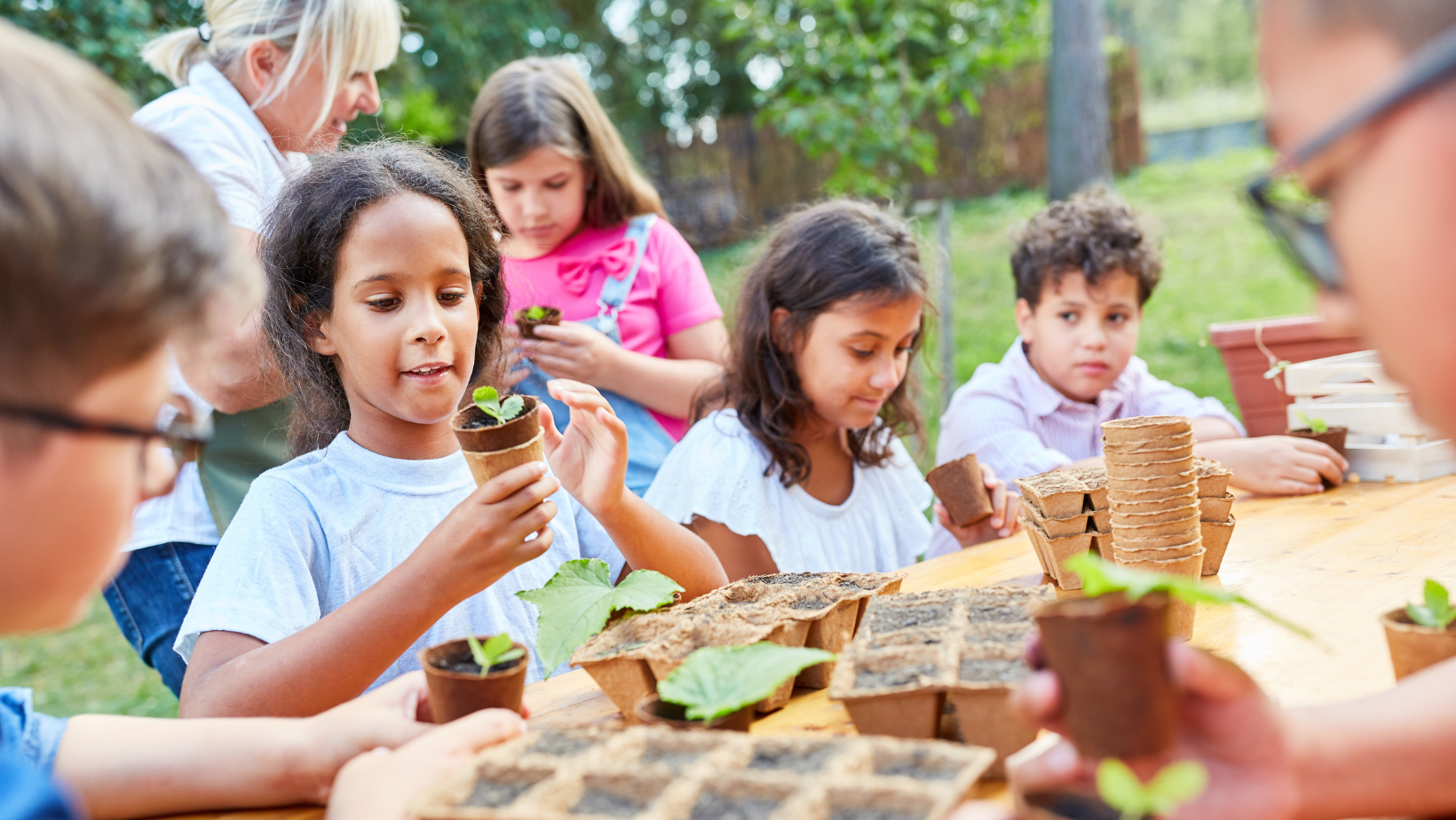
- Seed Germination Graph: Read a short science picture book, plant seeds, measure growth weekly, and chart increase (science + math + writing).
- Fraction Portraits: Students use colored paper to fill fractional parts of a self-portrait (art + fractions).
- Story Problem Swap: Pair reading groups with math groups: each student writes one word problem based on the day’s story; students exchange and solve (literacy + math).
Grade Specific:
- K–2: Read a weather-based picture book, measure temperatures, graph the data, and write a sentence about the changes.
- 3–4: Design a scaled-up tile poster using grid paper and translate the design to classroom space using multiplication thinking.
- 5–6: Read a real-world problem (e.g., budgeting for a science fair project), solve, and write a CER explanation supported by accurate data.
Starting the year with intentional integration is one of the best investments you can make. It makes math more relevant, increases transfer between subjects, and gives students multiple ways to show understanding. If you want turnkey materials that support cross-curricular routines, ORIGO Education’s Stepping Stones, Think Tanks, and short ORIGO One videos offer research-aligned supports to make integration practical, scaffolded, and classroom-ready.

 1-888-674-4601