


 1-888-674-4601


Insights
Scaffolds vs. Supports: Knowing When to Step Back in Math Instruction
In the classroom, we often hear the words scaffold and support used almost interchangeably. But subtle distinctions matter: scaffolds are temporary structures we build for learners so they can reach higher understanding. Supports are the broader help systems (environment, resources, routines) that persist. And part of our craft as math teachers is knowing when to remove scaffolds so students can internalize understanding and take ownership of the math.
Scaffolds vs. Supports: What’s the Difference?
Supports are the structural elements in your classroom that help students learn more comfortably over time. Examples include:
- Consistent routines for math talks or number talks
- Math journals or thinking tools (e.g. number lines, fraction strips)
- Visual models or manipulatives available at all times
- Peer talk norms and discussion structures
These supports stay in place because they help students across a wide range of lessons.

Scaffolds, by contrast, are temporary aids you add deliberately for a unit or concept, with the goal of gradually removing them. Some examples:
- Sentence starters or fill-in-the-blank reasoning frames
- Annotated worked examples (with more steps shown than usual)
- Manipulative models or scaffolding templates (e.g. fraction bars, base-ten blocks)
- Side-by-side incorrect vs. correct sample work for error analysis
- Step-by-step breakdown guides that handhold students through a procedure
The goal is that, over time, students no longer need those scaffolds — they internalize the reasoning, strategies, and representations.

Signs Your Scaffold Is “Over-Scaffolding”
It can be tempting to leave scaffolds indefinitely. But when that happens, students may never develop independence. Here are signs it’s time to fade or remove a scaffold:
- Students rely on the scaffold to begin every problem and can’t start without it
- The scaffold becomes more of a crutch than a support (they don’t understand what parts are “scaffolded”)
- You find yourself doing more thinking/work than the students
- The scaffold no longer causes “aha” moments — it’s just procedural
- Students express frustration at the scaffold or ask to remove it
When you notice these signs, it’s a signal: it’s time to begin the fading process.

Gradual Fade: Strategies for Stepping Back
Here are ways to fade scaffolds over time:
- Fade parts, not the whole
If you used a long worked example, gradually remove steps. For instance, first remove one or two annotations, then more, until students are doing all the steps themselves. - Offer scaffolded choice
Let students choose whether they want the scaffold or not. Those who feel confident can opt out; those still needing support can use it. - Use “scaffolding in the margin”
Instead of full scaffolds, provide hints or guiding questions in the margins of a worksheet that only students who need a nudge will use. - Encourage self-scaffolding
Teach students to ask themselves guiding questions (e.g. “Does my numerator and denominator scale the same?”) or to sketch interim models before writing equations. - Rotate scaffolding among students
Some students use the scaffold, others don’t, and you rotate who uses it. Over time, more students taper off. - Monitor with formative checks
Occasionally give problems without scaffolds and see who can solve them unaided. Use that data to tailor your fade schedule. - Celebrate independence
When students succeed without scaffolds, affirm their growth. Let them see their progression.

When Supports Become Scaffolds — And Vice Versa
Sometimes, supports might inadvertently become scaffolds if we hold them too long (e.g. a permanently posted anchor chart for a concept students have already mastered). Conversely, a scaffold can become a long-term support in later grades, especially for students with learning needs.
The key is flexibility and responsiveness: always ask, “Is this helping students think, or masking gaps?”
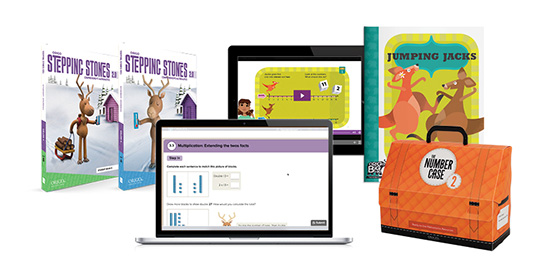
How ORIGO’s Stepping Stones 2.0 Uses Scaffolding to Support Growth
ORIGO Education’s Stepping Stones 2.0 intentionally scaffolds thinking across grades while planning for fade and doing so in ways that preserve coherence. Stepping Stones emphasizes spaced learning, multiple representations, and language and discourse to deepen conceptual understanding.
Some ways ORIGO scaffolds in Stepping Stones:
- Embedded lesson supports: Each lesson contains scaffolding supports, guided questioning prompts, worked examples, and supports for differentiation.
- Teacher edition “steps in action” and detailed notes: These help teachers scaffold students’ thinking during instruction.
- Spaced practice and review: Because Stepping Stones revisits key ideas over time (spaced learning), the scaffolding reinforces connections and allows fade without losing retention.
- Multiple representations: Visual models, manipulatives, symbol work, and contextual problems are layered so students see the math from different angles. These representations scaffold understanding and deepen flexibility.
- Correlated assessment and checks: Assessments and formative tasks that mirror the scaffolding help teachers monitor who still needs support without reinventing tools.
Because Stepping Stones includes these scaffolds within its structure, teachers can lean on them early and fade them confidently, knowing the underlying progression is intact.
Sample Scaffolding Scenario
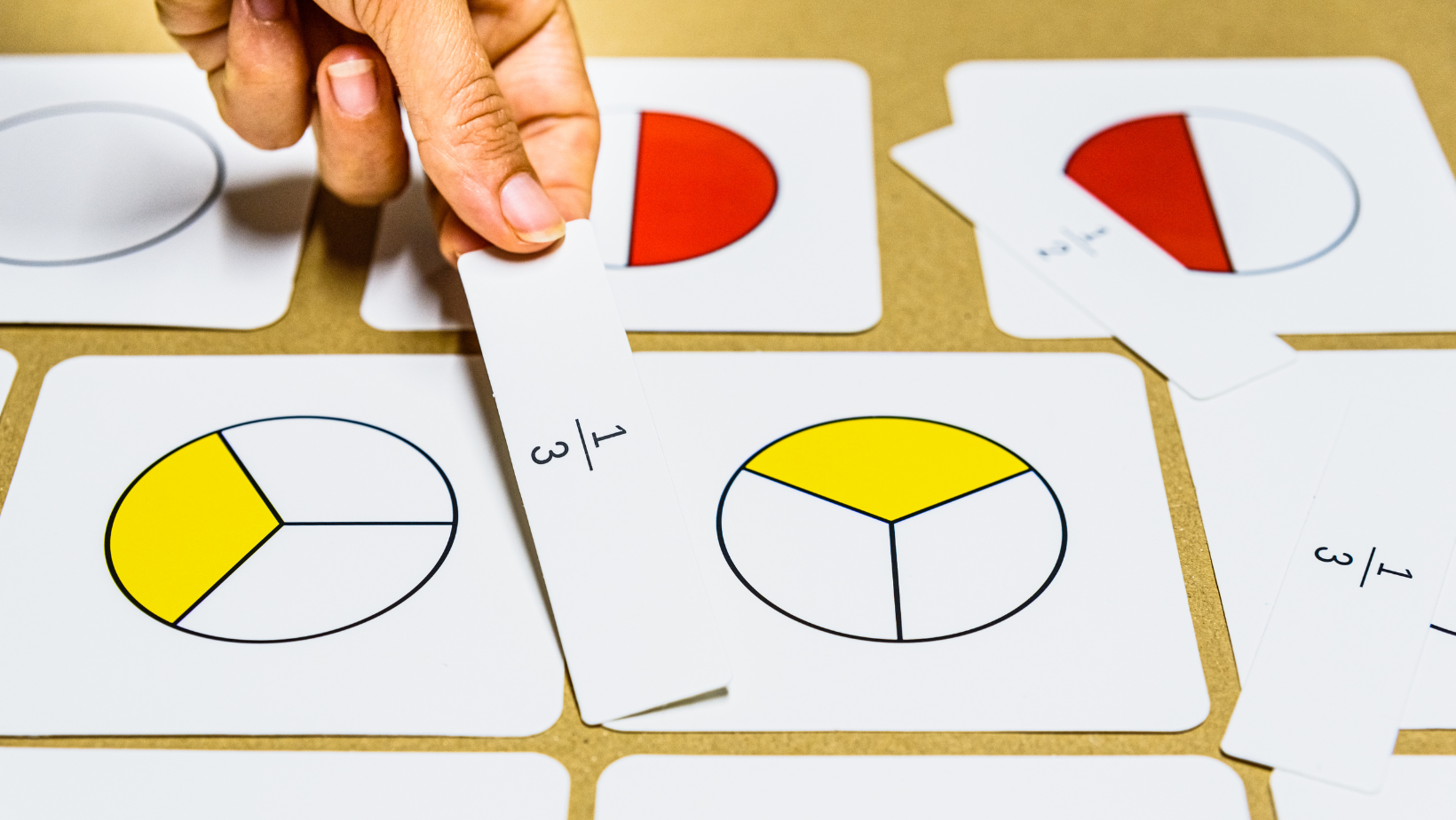
Suppose you’re introducing fraction equivalence. Here’s a scaffold-to-fade path:
- Early scaffold: Provide fraction bars or strips and a guided worksheet.
- Next step: Remove one half of the scaffold (students draw their own bars, but still have guiding questions).
- Then: Offer the worksheet without bars, but include a hint box with prompting questions.
- Finally: Remove hint boxes. Students generate equivalent fractions and explain reasoning independently.
Through each phase, the scaffold becomes lighter until students internalize the strategy.

Why This Matters
Scaffolding well (and knowing when to step back) is essential if our students are going to develop real mathematical independence. Left in place too long, scaffolds can block growth. Removed too soon, students might flounder.
But when scaffolding is thoughtful, responsive, and gradually faded, students grow confidence, flexibility, and deeper understanding. We facilitate — then release ownership.
And when your core curriculum or resources (like Stepping Stones 2.0) embed scaffolding intentionally, you don’t have to reinvent every support — you can focus your energy on guiding the fade and responding to students’ thinking.

 1-888-674-4601